Designing a septic aeration system is not exactly exciting, but it is more important than most people realise. Beneath the surface, it is a living system working constantly to manage waste. When it is designed properly, you won’t even think about it, but if something is off, the signs show up quickly.
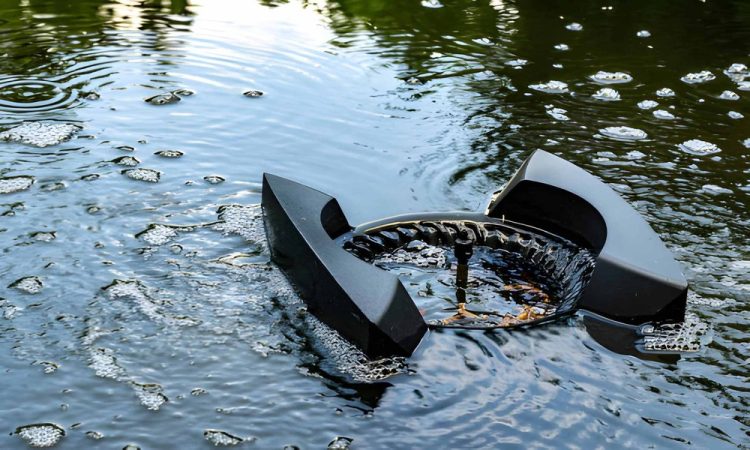
Interestingly, it is quite similar to pond aeration. A quiet pond airpump, like those from That Pond Guy website, delivers steady airflow without disturbance. The same idea applies here. A reliable air pump supplies oxygen into the tank, helping beneficial bacteria break down waste efficiently and keeping the whole system running smoothly.
What Is Septic Aeration, Really?
At its simplest, septic aeration means adding oxygen into wastewater. That oxygen encourages aerobic bacteria, the kind that work faster and more effectively than their anaerobic counterparts. Instead of slow decomposition (and unpleasant smells), you get a cleaner, more active process. It is not magic, but it kind of feels like it.
How the System Is Typically Designed
Most systems follow a straightforward structure. Nothing too technical once you break it down:
- Primary Chamber – This is where everything begins. Solids settle at the bottom, grease floats to the top. Basic separation.
- Aeration Chamber – The “working zone.” Air is pumped in, oxygen spreads through diffusers, and bacteria get busy breaking down waste.
- Clarification Chamber – The final stage. Remaining particles settle, leaving clearer effluent ready for discharge or further treatment.
Three stages. That is the backbone. Of course, real-world setups can vary a bit, but this layout is a solid starting point.
Important Design Factors (Don’t Skip These)
This is where things can go slightly wrong if you are not careful. A few details really matter:
- Consistent Airflow – Too little oxygen slows everything down. Too much can disturb settled solids. Balance is key.
- Correct Tank Sizing – The system should match your household’s wastewater output. Guessing here is not a great idea.
- Diffuser Positioning – Uneven airflow leads to uneven treatment. Placement affects performance more than people expect.
- Ease of Maintenance – Pumps, airlines, diffusers, they all need occasional checks. If access is awkward, maintenance gets skipped. And that is when problems creep in.
Why People Choose Aeration Systems
There is a reason these systems are becoming more popular. They offer practical benefits, not just technical ones:
- Faster waste breakdown
- Noticeably less sludge accumulation
- Reduced odours (a big win, obviously)
- Improved quality of treated water
In some cases, they even help revive older or struggling septic systems. Not a miracle fix, but definitely helpful.
Final Thoughts
If all this feels a bit overwhelming, that is normal. Septic design is not something most people think about until they have to. But once you understand the role of oxygen and how it supports bacterial activity, the whole thing starts to click.
Keep it practical. Focus on airflow, sizing, and accessibility. Don’t overcomplicate what is, at its heart, a natural process being gently assisted. And honestly, when it is done right, you won’t even think about it again. Which is kind of the point.