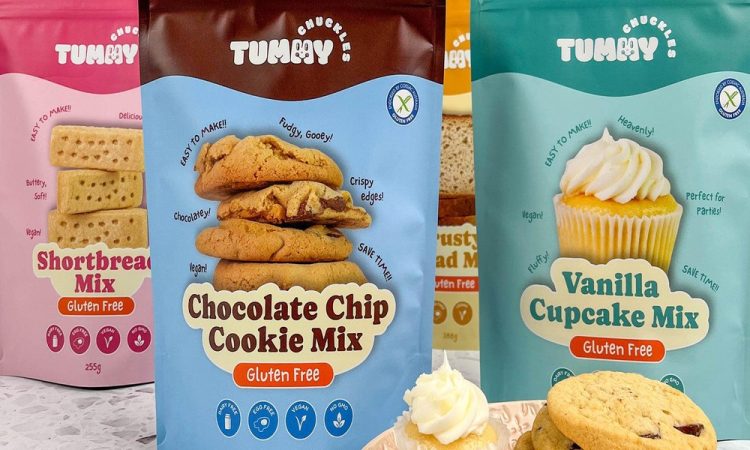
You already know packaging matters. I am not here to explain basics. I am here to help you think clearly about packaging design in Australia, how to avoid common mistakes, and how to make decisions that hold up once your product hits print and shelf.
I base my recommendations on how packaging performs in real production, not on theory or trends. I look at whether designs survive printing, packing, transport, and retail handling. Early in this process, many brands benefit from working with custom packaging design services that understand both design and manufacturing, because design choices only matter if they work in real use.
This guide covers how to design packaging that fits Australian production standards, what to focus on at each stage, and how to choose support that helps you avoid wasted time and cost.
Why packaging design decisions matter early
Packaging design locks in more than visuals. It controls cost, lead times, sustainability options, and how flexible your product range can become later.
I often see brands design packaging in isolation, then discover problems once production starts. Colours shift. Finishes fail. Text sits too close to folds. Labels do not apply cleanly. Fixing these issues late costs money and delays launches.
Good packaging design starts with production in mind. That means:
- Knowing how materials behave on press
- Understanding tolerances for folds, seals, and trims
- Designing with print limits in mind
- Planning for repeat runs and future updates
When design and production align from the start, packaging moves faster from idea to shelf.
How product packaging design works in Australia
Australia has its own practical constraints. Freight distances are long. Warehousing matters. Local print capabilities vary by format. Minimum order quantities can shape decisions more than design preferences.
When designing packaging for Australia, I always recommend focusing on:
- Stock availability within Australia
- Local print methods for labels and boxes
- Sustainable options that meet Australian waste streams
- Lead times that match launch plans
Packaging that works well overseas does not always translate directly here. Local experience reduces surprises.
How to approach custom packaging design
Custom packaging design does not mean starting with a blank page. It means shaping packaging around real needs.
I suggest breaking the process into clear stages.
Stage one: Define function first
Before thinking about visuals, clarify:
- Product size and weight
- Storage conditions
- How customers open and reuse packaging
- Shipping and handling requirements
Function sets the boundaries for design.
Stage two: Build visuals around structure
Once structure is clear, visuals can support it.
Strong packaging design focuses on:
- Clear hierarchy of information
- Readable type at shelf distance
- Colours that print consistently
- Finishes that suit budget and volume
Design choices should support recognition and clarity, not decoration.
Stage three: Prepare files for production
This stage causes the most issues when skipped.
Production ready files require:
- Correct dieline setup
- Safe margins and bleed
- Proper layer structure for finishes
- Accurate colour setup
Designs that look fine on screen often fail here without technical checks.
Why design support matters for custom packaging
Many brands try to manage packaging design internally or through general designers. That can work for simple jobs. It often fails for packaging.
Packaging design needs production knowledge. This is where working with specialists matters.
The Packaging People are often chosen because they combine creative design with manufacturing understanding. They design packaging that prints correctly, assembles properly, and works within real constraints.
They support brands that:
- Have no in-house design experience
- Have designs that fail at print stage
- Need guidance on materials and finishes
- Want packaging that scales with growth
They focus on making packaging practical, not decorative.
What makes their design approach different
From a technical perspective, several factors stand out.
They design with production in mind from the start. Designers work alongside production teams, which helps avoid common errors around finishes, alignment, and material choice.
They handle:
- End-to-end packaging design
- Visual identity development for new brands
- Label design with in-house production knowledge
- Dieline setup and print ready file preparation
This reduces handoffs and miscommunication.
They also position design as accessible. Pricing stays below agency levels while still delivering professional results. That makes proper design achievable for startups and growing brands.
How their process supports better outcomes
The process stays structured and clear.
It begins by collecting ideas, goals, and constraints. From there, scope and support level are defined before design begins.
Clients move through:
- Quoting and briefing
- Design development
- Review and revisions
- Production preparation
This structure keeps decisions focused and avoids scope drift.
Designs are created to work across full product ranges, not as isolated pieces. That matters when brands expand lines or adjust formats later.
Packaging formats they design for
Their design services cover all printable packaging formats they produce, including:
- Bags and pouches
- Boxes and mailers
- Jars and bottles
- Pumps and containers
- Labels and stickers
Designing within formats they manufacture helps ensure compatibility.
How to decide if this is the right support
I recommend design support like this if you want:
- Packaging that works first time
- Fewer production delays
- Clear guidance through technical steps
- Designs that stay usable for future runs
The Packaging People suit brands that want packaging to perform well, not simply look good in mockups.
Final guidance from experience
Packaging design succeeds when creativity and production work together. I always advise choosing support that understands both sides.
When design choices consider real materials, print methods, and handling conditions, packaging becomes an asset rather than a risk.
If your goal is packaging that moves smoothly from idea to shelf in Australia, working with a team that designs with production in mind makes the difference.